
Thank you! Your submission has been received!
Oops! Something went wrong while submitting the form.

Finding the right talent in EdTech and eLearning takes more than matching skills to job descriptions. RecruitHer, led by founder Emilia Kruszewska, specialises in mid to senior level commercial recruitment across EMEA, with a focus on the UK, Germany and the Nordics. Discover how sector knowledge, established industry relationships and a targeted recruitment approach help learning technology companies reduce ramp time and build stronger teams.

Retained and contingency recruitment solve different hiring problems. This guide explains when an EdTech startup should use each model and why senior searches often benefit from exclusivity and deeper market mapping.

UK recruitment fees for permanent hires are commonly charged as a percentage of base salary. This guide explains the typical range, what changes the fee and why companies should compare the service as well as the headline percentage.

A Head of Sales search usually takes longer than an individual sales hire because the pool is smaller and the decision carries more risk. This guide shows a realistic process from brief to accepted offer and the common delays EdTech companies can avoid.

Education experience can be a major advantage in EdTech sales, but it is not always essential. The right answer depends on the customer, product, sales cycle and the gaps already inside your team.

Hiring a good EdTech salesperson starts with the sale you need them to make, not a generic list of sector experience. This guide explains what to test, which evidence matters and how to avoid creating a job description for a commercial unicorn.

Germany has a diverse EdTech market spanning startups, learning platforms, corporate learning and major education publishers. This guide looks at key cities and employers, the roles available, and why companies expanding into Germany need to think beyond translation to curriculum, GDPR, local buying structures and genuine market understanding.

It is too early to report observed 2027 salaries, but companies can already plan using current UK EdTech vacancies. This guide uses 2026 advertised roles to show how scope, stage and seniority should shape a 2027 Head of Sales budget.

EdTech promises personalisation, engagement and better outcomes, but those promises only work when products recognise individual learner needs. This article looks at assistive technology, neurodiversity and learner variability, and explains why educators and learners need a real role in co creating inclusive EdTech.

Product market fit in EdTech is unusually complex because the buyer, user and learner are often different people. This article argues that co creation helps startups and scaleups understand real problems earlier, build products that fit education settings better and improve adoption, retention and long term growth.

The talent an EdTech startup needs can look very different from the talent required by a scaleup or established company. This article explores how hiring needs, candidate motivations and employer propositions change as companies grow. It covers startup builders, scaleup operators, experienced talent, flexibility, leadership, progression and why companies need to be honest about the environment candidates are actually joining.

EdTech sales job descriptions often mix genuine requirements with habits, preferences and an idealised CV. This guide shows what to keep, what to challenge and how to widen the pool without lowering standards.

Finding the right people in EdTech requires more than matching job titles to CVs. This guide explains how specialist EdTech recruitment works, who RecruitHer recruits for, the roles and markets we cover, and how hiring needs differ between startups, scaleups and established organisations. It also explores recruitment models, candidate experience, flexible working, transferable education experience and RecruitHer’s Talent Ecosystem approach.

EdTech companies often take one of two approaches to hiring: recruit strong tech talent and teach them education, or prioritise people who already understand the sector. This article explores why the strongest approach is usually somewhere in the middle.

Hiring at the wrong time or for the wrong role can slow an EdTech startup down. This post explains how better workforce planning helps founders decide who to hire next, attract the right talent and build teams that support sustainable growth, including my work as a mentor with SuperCharger Ventures.

Selling into Multi Academy Trusts takes more than more calls and emails. This guide explains how strong EdTech salespeople plan accounts, map buying committees, build better data and use timing, trust and customer insight to create a stronger sales pipeline.

EdTech sales job titles often hide very different responsibilities. This guide explains the difference between Account Executives, Business Development Managers and Sales Managers, helping leaders define the right role, assess candidates and hire for the work their business needs.

Hiring your first salesperson is a major step for an EdTech company, but success depends on more than finding a strong CV. This guide explains how to define the role, assess relevant experience, offer realistic pay and give your new hire the support needed to build repeatable growth.

This post explores the difference between growing and scaling an EdTech company, from longer sales cycles and changing funding conditions to recruitment, leadership and the need for relevant stage experience. It looks at what companies may be going through as they move from proving demand to building a business that can grow sustainably.

Salary negotiation should not be left until the final offer stage. This post explains why late salary conversations can damage trust, waste time and cause strong candidates to drop out. It covers why employers should be clearer about salary ranges earlier in the process, how to handle negotiation fairly, why gender can shape negotiation outcomes, and how to balance flexibility with internal equity. The post also shares best practice for salary discussions in sales roles where base salary, commission, OTE and targets all matter.

Once candidates have been shortlisted from CV screening, employers need a clear interview process to assess fit properly. This post explains how to structure the next stages, starting with a 15 minute intro call to understand motivation, personality and basic alignment. It then covers deeper hiring manager interviews, how to use the STAR method, what to ask sales candidates, how to assess the first 30, 60 and 90 days, and when to involve senior stakeholders or wider team members. The focus is on helping employers make clearer, faster and more confident hiring decisions.
Job titles are useful, but they are often too blunt for specialist sectors like education and edtech. This post explains why generalist recruitment often starts with the job title, while specialist recruitment starts with the problem the hire needs to solve. It uses research on skills based hiring, talent pools and the cost of poor hiring to show why sector context matters when hiring for edtech, education, higher education and adjacent markets.

Retained recruitment gives EdTech companies a more focused and strategic way to hire specialist talent. This post explains the difference between retained and contingent recruitment, why job adverts are often not enough for niche EdTech roles, and how RecruitHer works as a retained search partner to find candidates with the right sector knowledge, networks and ability to deliver results quickly.

AI written CVs are becoming more common, making it harder for employers to identify the strongest candidates quickly. This post explains how hiring managers can improve CV screening by writing clearer job descriptions, looking beyond keywords, checking sector experience, reviewing past employers and roles, and spotting real evidence of impact. It also explores why human judgement still matters, especially when hiring for edtech, education, healthcare, public sector, and other relationship led sectors.

RecruitHer partners with EdTech organisations to hire strong, diverse talent across commercial, go to market and leadership roles. This post explains how our recruitment process works, from the intake call and candidate brief to sourcing, screening, timelines, fees and ongoing support. It also shares why inclusive hiring matters in EdTech and how a thoughtful recruitment partner can help teams hire with more clarity and confidence.

Hiring your first salesperson can help an EdTech company grow, but hiring before the product, customer and sales process are clear can become costly. This guide explains why founders should lead early sales, how to recognise the right hiring moment, which sales role may suit the business and what systems, targets and support should be ready before the new person joins.

Finding the right Product leader in education and EdTech often takes more than advertising a role. This article explores the challenges of hiring across higher education, K12 and further education, including complex job titles, passive candidates, high application volumes and the value of specialist retained search.

RecruitHer provides specialist outplacement support for organisations in EdTech and education. We help people affected by restructuring move forward with clearer career direction, stronger job search tools and practical support for their next step

This blog explores the UK EdTech recruitment landscape, from K 12 and higher education to assessment, LMS, SIS, accessibility, AI in education and digital learning. It explains why specialist hiring matters, how the UK market is changing, and why RecruitHer was created to help education technology companies build stronger, fairer and more sector aware teams.

RecruitHer supports scaling education technology companies with specialist hiring across EdTech, eLearning, assessment, digital transformation, accessibility, LMS, SIS, AI in education and wider learning technology. The blog explains why sector knowledge matters, how different EMEA markets shape hiring needs and how RecruitHer helps companies find talent that matches the role, culture, market and stage of growth.

Scaling an EdTech company means hiring people who understand both education and commercial growth. This post explains why specialist EdTech recruitment matters, what companies should expect from a strong talent partner, and how RecruitHer supports growing teams with focused, sector informed hiring.

Belgium is a digitally capable education technology market with strong public investment, active digital skills work and clear demand for STEM, ICT and teacher support solutions. This blog explores the Belgian EdTech landscape, the impact of teacher shortages, the country’s multilingual education system, digital competence needs and why specialist EdTech recruitment matters for companies scaling in Belgium and across Benelux.

When valued people leave an EdTech company, how they are supported matters. This post explores why human led, sector specific outplacement helps departing employees find their next chapter with clarity, while helping companies protect trust, culture and reputation.

The Netherlands is a digitally mature education technology market where schools, universities and training providers expect quality, interoperability, evidence of impact and strong alignment with Dutch education values. This blog explores the Dutch EdTech landscape, useful ecosystem resources, how hiring differs across K 12, vocational education, higher education and corporate learning, and why specialist EdTech recruitment and EdTech sales recruitment matter for companies scaling in the Netherlands and across Europe.

Finland is one of Europe’s most digitally skilled education technology markets, with high digital capability, strong public services and growing AI adoption. This blog explores the Finnish EdTech landscape, the role of AI, digital learning, Nordic growth, local hiring needs and why specialist EdTech recruitment matters for companies scaling in Finland and across Europe.

The global EdTech market is growing quickly, driven by AI, personalised learning, digital skills, online learning and workforce training. But growth looks very different across countries. This blog explores what is happening in emerging and fast growing EdTech markets, why local context matters and why companies need the right people on the ground to build trust, partnerships and long term growth.

The UAE, and Dubai in particular, has become one of the most active education technology markets in the Middle East. Strong private school growth, government focus on AI, digital learning, future skills and the fast adoption of online learning during the pandemic have created a strong opening for EdTech companies. This blog explores why the UAE acts as an EdTech incubator for the region, how the Middle East education market is changing and why specialist EdTech recruitment matters for companies scaling across Dubai, the UAE and wider MENA.

When university staff face redundancy, they need more than generic career support. This post explores why human led outplacement, grounded in higher education sector knowledge, can help departing employees move forward with clarity, dignity and purpose. It also looks at how universities can protect trust, reputation and institutional values by supporting the people who helped build them.

Ukraine is one of the most digitally resilient education technology markets in Europe, with strong digital public services, a highly skilled technology talent base and a clear need for practical digital education solutions. This blog explores Ukraine’s EdTech landscape, the role of digital learning during war, access, cybersecurity, reskilling, workforce transition and why specialist EdTech recruitment matters for companies scaling in Ukraine and across Europe.

The EdTech hiring market may look candidate heavy, but more applications do not always mean better hiring. Many hiring managers are receiving high volumes of CVs, yet only a small percentage are truly relevant. This article explains why relying only on job adverts can slow down the process, why sector knowledge matters, and how working with a specialist headhunter can help hiring teams cut through the noise, screen candidates properly, and reach the right people faster.

Egypt is one of the most important education technology markets in MENA and Africa, with a large education system, a young population, growing demand for affordable learning and a strong national focus on digital transformation, ICT skills and AI. This blog explores the Egyptian EdTech landscape, the role of access, affordability, teacher development and workforce readiness, and why specialist EdTech recruitment matters for companies scaling in Egypt and across the wider region.

Spain is a strong market for education technology, eLearning and digital learning companies, with major investment in teacher digital skills, vocational education and digital capability. This blog explores the Spanish EdTech landscape, why hiring in Spain needs local and sector knowledge, how Spanish companies expand into Latin America, Europe, the UK and the US, and how RecruitHer supports companies with specialist EdTech recruitment and EdTech sales recruitment.

EdTech impact is no longer a nice extra. Education institutions need evidence that products improve learning, save time, support staff, increase engagement, or create measurable value. This post explains why impact has become central to EdTech buying decisions, what types of impact companies should measure, the grey areas of proving outcomes, and how education institutions can verify whether a product truly works.

Job titles matter when selling EdTech into education because they shape how buyers receive the first conversation. Schools, universities, and education providers often respond better to consultative titles that signal trust, understanding, and problem solving. This post explores why titles like Education Consultant, Learning Consultant, and Partnerships Manager can work better than traditional sales titles in education markets.

Poland is a strong technology market with growing focus on digital skills, AI capability, STEM and ICT talent. This blog explores the Polish EdTech landscape, the role of digital skills, women in technology, employability, local hiring needs and why specialist EdTech recruitment matters for companies scaling in Poland and across Europe.

Hiring in EdTech requires more than finding people with the right job title. It requires sector knowledge, understanding of education buyers, and access to talent that can operate across learning, technology, and commercial growth. This post explains why working with a specialist EdTech and eLearning recruitment agency can help companies hire faster, reduce noise, and find candidates who bring both skill and context.

Italy is a digitally ambitious education technology market with strong infrastructure, growing AI investment and a major digital skills gap. This blog explores the Italian EdTech landscape, the role of digital capability, AI ready learning, local hiring needs and why specialist EdTech recruitment matters for companies scaling in Italy and across Europe.

Ireland is one of Europe’s most digitally capable education and technology markets, with strong school digitisation, high basic digital skills and active investment in cybersecurity, semiconductors and green digital tools. This blog explores the Irish EdTech landscape, the role of digital learning, AI, STEM, international growth and why specialist EdTech recruitment matters for companies scaling in Ireland and across Europe.

Hiring top go-to-market talent in EdTech is not about volume, it’s about relevance. The best sales professionals combine commercial skill with sector understanding, strong networks, and the ability to navigate complex buying environments. This guide outlines seven practical ways to identify and hire the right people to drive growth.

Recruitment in EdTech is not just about skills, it’s about sector understanding. Companies that hire talent with both commercial ability and education insight build stronger teams, improve product adoption, and scale more effectively. RecruitHer supports EdTech organisations by connecting them with sector-informed professionals who can deliver impact from day one.

Finding the right candidates in EdTech requires more than posting job ads. The best talent often comes from passive networks, targeted search, and proactive outreach. This guide outlines seven effective ways to source high-quality candidates in a competitive market.

France is a well funded education technology market with strong digital infrastructure, national investment in AI and a clear education digitisation strategy. This blog explores the French EdTech landscape, the role of AI, digital skills, school ready tools, local hiring needs and why specialist EdTech recruitment matters for companies scaling in France and across Europe.

The EdTech sector's growth is inherently slow due to complex, lengthy procurement cycles and slow adoption within education systems. This reality makes deep sector experience, such as that of Steve Whitley, founder of EdTech Consulting, essential for success. Key industry trends include prioritizing international expansion into markets like the Gulf states and Southeast Asia, which demands careful cultural adaptation of products to local norms. Furthermore, Artificial Intelligence is accelerating innovation, but only the AI-powered tools that genuinely improve learning or reduce teacher workload will succeed. Ultimately, navigating the intersection of technology, education, and policy for sustainable growth requires both innovation and experienced guidance.

Capability alone does not guarantee recognition. Research shows that professionals who are less likely to self promote are often underestimated, which impacts hiring, progression, and pay. This post explores the gap between being capable and being visible, what effective visibility looks like, and how to communicate your impact in a clear and credible way.

Many professionals struggle to talk about their achievements without feeling uncomfortable. Research shows women are significantly less likely to self promote, which can impact career progression. This post breaks down how to communicate your impact clearly using a simple structure, helping you stand out without sounding forced or performative.

International expansion in EdTech requires more than a strong product. Education systems differ across countries in curricula, culture, and procurement processes, which makes local expertise essential. This article explores why founders should start by speaking with people who understand the target market and hiring experienced operators before building a regional team. It also looks at how strategic workforce planning helps companies scale successfully into new territories.

Raising a second round is a milestone. Scaling successfully afterwards is the real test. Post Series A or B, hiring stops being reactive and becomes architectural. The leaders you bring in now shape revenue velocity, product adoption and long term credibility with investors. In EdTech, sector fluency and commercial strength must go hand in hand. This piece explores why structured, retainer based hiring partnerships create stronger foundations for growth and why getting this stage right determines what happens next.

Candidates decide where they belong before they apply. When they do not see people like themselves in a company, they are less likely to engage. This post explores why representation and belonging matter in edtech, how diverse teams drive growth and innovation, and what companies can do to attract and retain a broader range of talent.

Cold outreach in the education sector is not about volume or speed. It is about relevance, timing, and trust. This article explains how EdTech founders and CROs can approach cold outreach to schools, colleges, and universities in a way that respects long sales cycles, multiple stakeholders, and the realities of education. It offers practical guidance on messaging, pacing, and relationship building to create conversations that lead to sustainable growth rather than short term wins.
.png)
In early-stage EdTech, trying to hire for multiple roles at once can be a costly mistake. This blog explores why focusing on one live role at a time is a smarter, more sustainable approach to hiring. It helps founders improve quality, speed, and candidate experience while protecting the economics of their recruiting partnerships. The post also outlines when and how to evolve into multi-role delivery models as hiring needs grow, offering founders a clear path from early-stage support to structured recruitment capacity.

Hiring a salesperson is one of the most consequential decisions an EdTech founder will make. Hire too early and you burn cash. Hire the wrong profile and you risk concluding that sales does not work, when the real issue is timing, structure, or fit. This guide breaks down when to hire your first sales role, which type of salesperson makes sense at each stage, how to design a fair and effective interview process, and why values alignment matters as much as experience. It is written for founders navigating long EdTech sales cycles who want to build a credible, sustainable go to market function rather than chasing quick wins.

Recruitment retainers can be a smart way for early-stage EdTech founders to scale hiring quickly and efficiently. But the model only works when expectations are clear, roles are well-defined, and both parties understand what success looks like. Learn how to build a strong, sustainable partnership that helps you hire faster without the usual friction.

Many EdTech founders scale fast, but without clarity, hiring exposes deeper problems. This post explains why pausing to define goals, KPIs, and roadmaps leads to smarter, more sustainable growth.

Early career hiring is tightening as AI speeds up junior tasks, costs rise, and application volumes surge. Apprenticeships and skills based hiring are growing, and the winners will be employers who redesign junior roles around learning, judgment, and impact, plus candidates who show AI literacy and strong human skills.
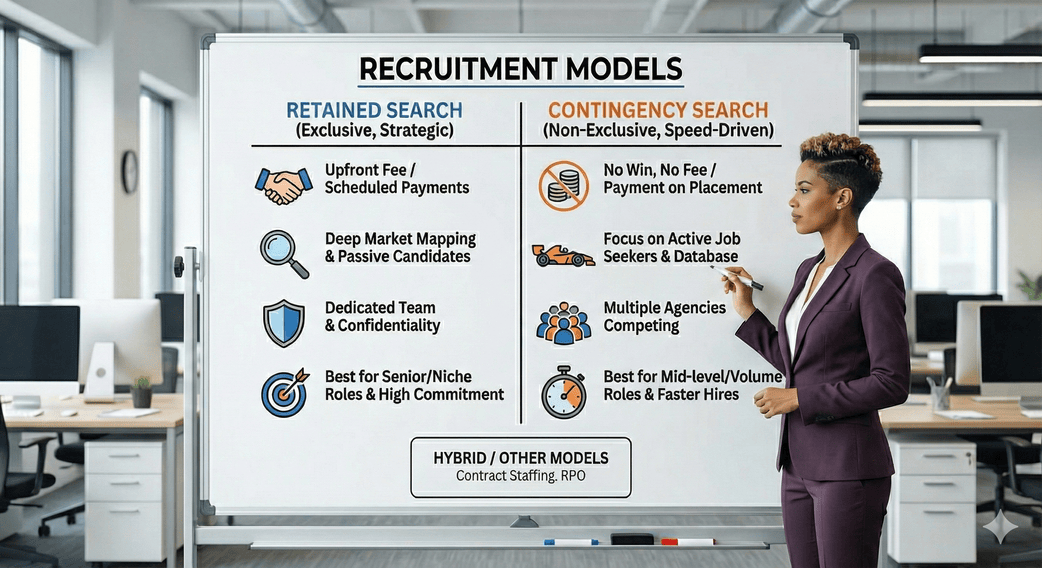
Hiring in EdTech is tough, and choosing the wrong recruitment model can slow everything down. Here is a simple breakdown of how contingent, retained and hybrid search work, what each costs, and when you actually pay the fee. Whether you need speed, precision, or long term accountability, the right model can make or break your next hire. RecruitHer helps EdTech companies pick the approach that fits their stage, budget and talent needs.
.png)
The EdTech market is set to surpass 815 billion by 2035. Here is what this means for hiring, future skills and the teams EdTech companies need to build. A RecruitHer perspective on the talent shaping the next decade of education technology.

EdTech hiring rarely slows down because of the market. It slows down because hiring managers know exactly what they need while in house recruiters search for generalist CVs. The mismatch pushes managers to take over the process, costing around forty hours of lost time per hire. Add vague job ads, fluffy job descriptions, slow interview cycles and unclear salary ranges and momentum disappears.

EdTech hiring speed comes from clarity and preparation. Specific ads bring better applicants. Hiring from your customer base cuts ramp time. A simple pre screen removes guessers. A lean interview process keeps strong candidates engaged. Networks beat job boards every time. The fastest teams treat hiring like ongoing prospecting rather than a fire drill.

EdTech teams grow fast and change even faster. With global hires, hybrid work and big expectations, the real difference maker is not just technical skill. It is how leaders communicate. Research from Gallup, Deloitte and McKinsey shows that strong, empathetic communication drives engagement, productivity and trust. Here are the key takeaways every EdTech leader should know.

In a crowded EdTech calendar, deciding which events to attend—or host—is a major strategic choice. This article explores why the most successful companies are shifting focus from pure sales to community building. Featuring insights from Hossam Fahmy (Classera) on the growth of InnoXera, we guide you through starting a community from scratch, scaling to a flagship event, and the top global conferences you need to know.

A hiring plan designed for early-stage EdTech company that outlines when and who to hire, how to align hiring with traction and funding, and where to keep things lean, focusing on roles that directly unlock growth like sales, customer success, and go-to-market. It’s a roadmap built for flexibility, structure, and sustainability, so your hiring scales with your business, not ahead of it.
.jpg)
Accidental managers are everywhere — especially in fast-growing EdTech companies where specialists suddenly find themselves leading teams. Without the right support, they risk disengagement and burnout. This post explores how to turn “accidental managers” into “deliberate leaders” through coaching behaviours that build trust, engagement, and productivity.
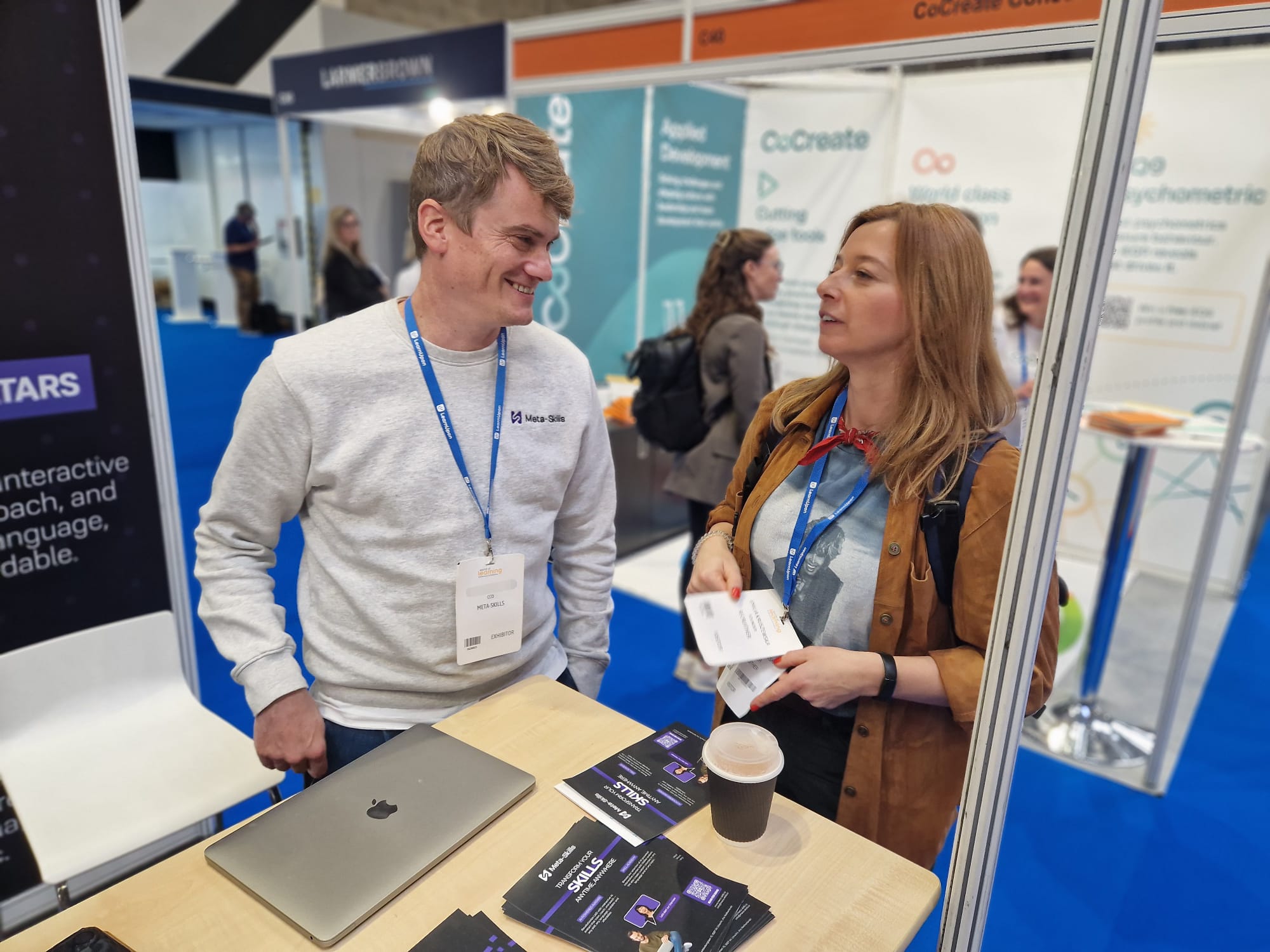
Discover what defines top-performing EdTech sales professionals and why hiring the right people is crucial in a changing education market. Learn about resilience, relationships, salaries, and how AI is reshaping the sales cycle.

Learn how to build a strong, memorable EdTech brand that stands out. This guide for founders covers key principles, common mistakes, and actionable steps to drive growth and secure investment.

EdTech companies often focus on product features, content libraries and AI capabilities. Yet decades of research in cognitive science and workplace learning show that access to content does not automatically translate into capability. Engagement, practice and application must be intentionally designed.
